Small Bathroom Ideas: Maximize Space Efficiently
Date
2026-01-10 11:41:14
Category
Bathroom
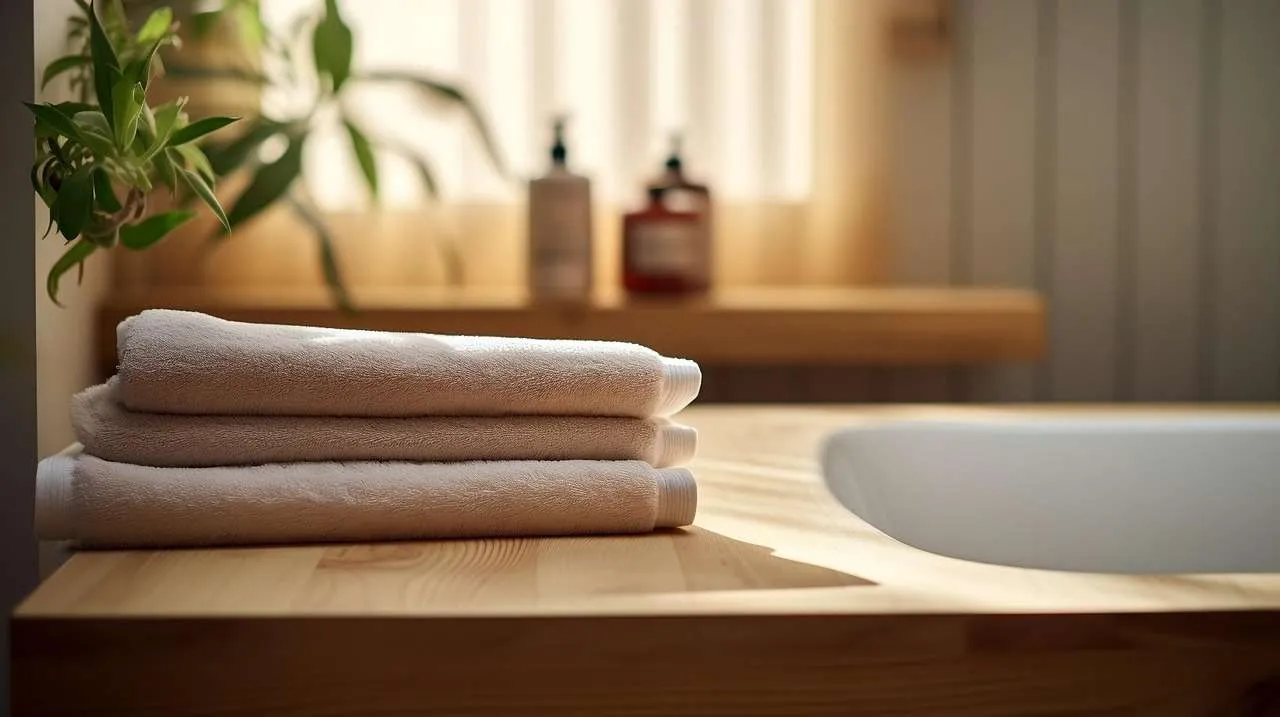
Small Bathroom Ideas: Maximize Space Efficiently
As a design professional with over ten years helping homeowners optimize compact spaces, I know that a small bathroom can feel cramped or brilliant—depending on layout, storage, and materials. The core keywords small bathroom ideas guide practical decisions that balance function with style. This article tackles layout, storage, lighting, and finishes in a way that aligns with real-world budgets and durability, so you can implement changes confidently and achieve an space that feels larger than its footprint.
Smart layouts for small bathrooms
Footprint-first planning is essential. In most cases, align toilet, vanity, and shower on a single wall to minimize door swings and wasted space. If possible, replace a traditional hinged door with a pocket or sliding door to reclaim several square feet and improve access. For very narrow baths, consider a corner shower with a slim vanity and a recessed cistern to keep the center of the room open. A continuous horizontal line—light fixtures, mirror edges, and baseboards—helps the eye move across the room, creating a sense of width.
Compact fixtures that maximize floor space
Choose a wall-hung dual-flush toilet and a wall-mounted vanity with a shallow depth. These choices reduce visible bulk and leave more floor visible, which visually expands the room. A clear glass shower enclosure with chrome or nickel hardware also minimizes visual clutter. If your plumbing allows, a trough or linear drain can simplify the shower’s look and make the floor feel more expansive.
Storage and organization ideas
In tiny bathrooms, storage must be invisible or close to the surface yet highly accessible. Wall-mounted cabinets above the sink, recessed niches in the shower, and tall, slim cabinetry can all preserve floor space while adding critical storage. Use interior organizers in drawers and pull-out baskets in cabinets to keep essentials tidy. Consider a recessed medicine cabinet with a mirrored door to provide both storage and a reflective surface that helps blue-sky light bounce around the room.
Vertical storage and niches
Vertical solutions capture unused wall space. Install tall, narrow storage units or open shelves above the toilet, and use recessed niches in the shower for shampoo, soap, and grooming tools. A magnetic or adhesive stainless rack can hold small metal tools without crowding countertops. These strategies reduce clutter and make daily routines smoother.
Lighting, color, and surfaces
Light is the fastest way to make a small bathroom feel larger. Layer lighting with ambient, task, and accent layers. A bright overhead fixture combined with vanity lighting on either side of the mirror prevents unflattering shadows. Choose color palettes with high brightness values (whites, off-whites, or light neutral grays) and use matte, moisture-resistant paints or tiles to minimize glare. Large-format tiles with minimal grout lines extend visually and are easier to clean, which is a meaningful long-term cost saver in damp spaces.
Mirrors and reflective surfaces
A large or multiple mirrors reflect light and create a feeling of depth. Consider frameless or edge-lit mirrors to keep lines clean. If privacy is a concern, opt for frosted or softly tinted glass in non-critical zones while keeping the vanity mirror expansive.
Fixtures, finishes, and maintenance
Durability matters in bathrooms. Select water-efficient fixtures with corrosion-resistant finishes (nickel, matte black, or bronze) and note that sealed stone or quartz countertops resist moisture better than some laminates. A recessed or wall-mounted vanity reduces edge clutter and makes cleaning easier. For shower walls, consider white or light gray ceramic tiles with a small, non-slip floor tile to balance safety and style. Regular maintenance—checking seals and refreshing caulk every 1–2 years—extends the life of your investment and preserves a clean aesthetic.
Comparison table: practical options for small bathrooms
| Option | Pros | Cons | Best For |
|---|---|---|---|
| Floating vanity + wall-hung toilet | Maximizes floor space; easier cleaning; modern look | Higher cost; precise installation required | Ultra-compact baths; contemporary style |
| Pocket door or sliding door | No door swing; opens up floor area | Installation complexity; space for door pocket | Very narrow layouts; frequent entry/exit use |
| Recessed storage and niches | Keeps surfaces clear; maximizes vertical space | Carpentry and waterproofing needs | Shower walls and tub surrounds |
| Large mirror with bright lighting | Creates depth; boosts perceived space | Requires careful placement and anti-fog considerations | Bathrooms with limited sidewall space |
With careful planning, small bathroom ideas can transform daily routines into a calmer, more efficient experience. By focusing on layout, storage, lighting, and durable finishes, you can achieve a space that feels larger, more organized, and easier to maintain—without compromising on style or function.
Conclusion, applying these strategies will help you maximize a limited footprint while preserving comfort, safety, and aesthetics. Summary: the right layout, clever storage, strategic lighting, and durable fixtures convert a small bathroom from a constraint into a winning, low-maintenance space.
Summary: Smart layouts, integrated storage, balanced lighting, and durable finishes are the core pillars of effective small bathroom ideas. Implementing these elements together creates a bathroom that feels spacious, organized, and enduring.