Home Window Tinting: A Practical Guide
Date
2026-01-10 11:46:31
Category
Window
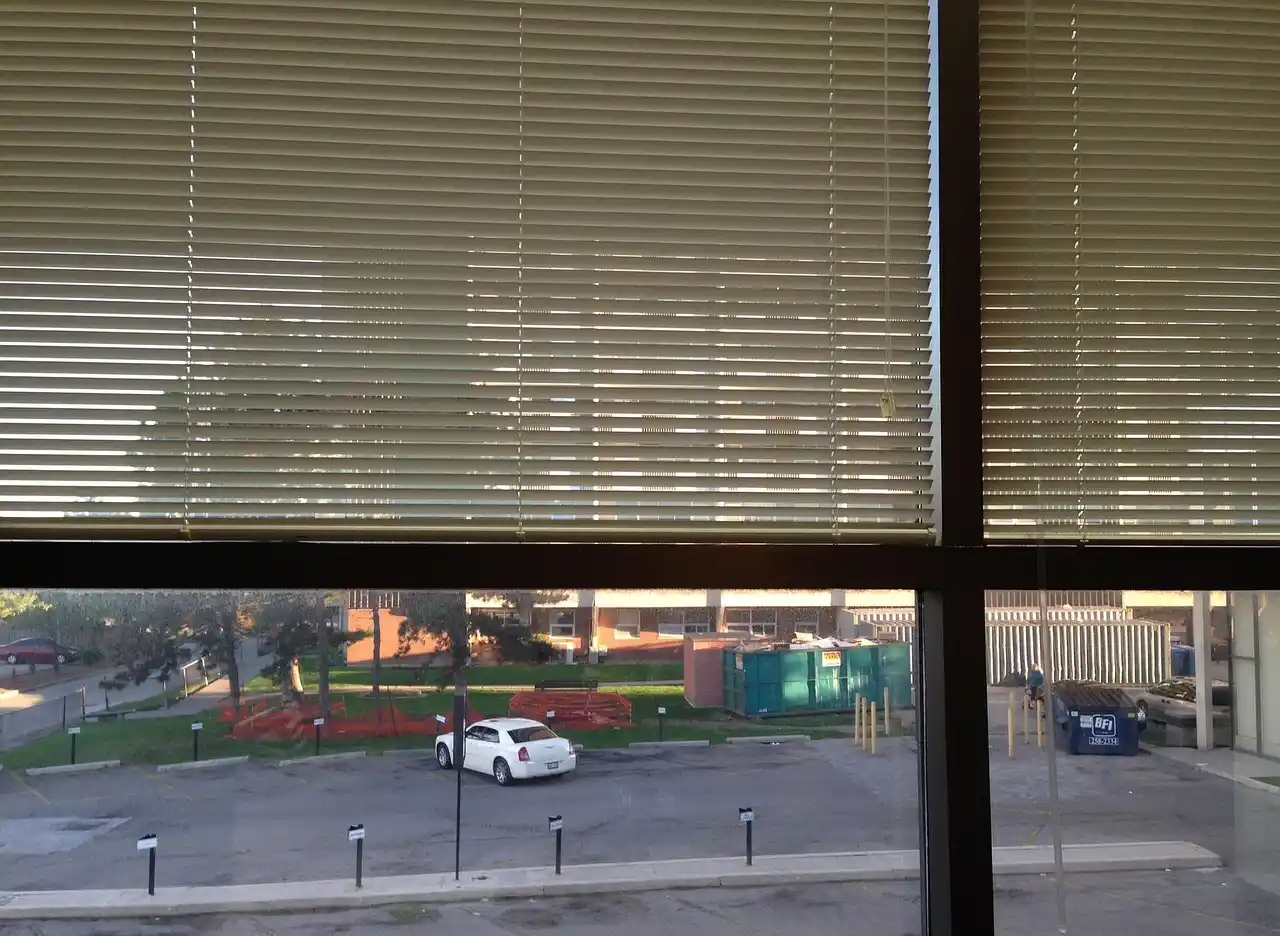
Home window tinting is the process of applying a thin film to the interior surface of glass to reduce heat, glare, and UV exposure while improving privacy. For homeowners, a high-quality tint can enhance comfort, protect furnishings from fading, and lower energy bills. This guide explains how home window tinting works, the main film types, selection considerations, installation options, and maintenance tips to help you choose confidently and avoid common mistakes.
What is home window tinting?
Window films come in thin sheets with specialized coatings. When applied to the inner pane, they absorb or reflect a portion of solar energy. Modern films are designed to be durable, non-conductive, and optically clear enough to preserve visibility while delivering heat and glare control.
Benefits of home window tinting
- Energy efficiency: By reducing heat gain in summer and heat loss in winter, tinting lowers cooling and heating loads.
- UV protection: Most residential films block up to 99% of ultraviolet rays, shielding furniture and skin from fading and damage.
- Glare reduction: Softer screens and interior screens improve TV, computer, and reading comfort without blinds.
- Privacy and appearance: An appropriate tint adds privacy during the day while maintaining outward visibility.
- Safety and durability: Some films hold shattered glass together in an impact, improving safety and security; many options resist scratches and fading.
Common types of window films for homes
Dyed films
Dyed films are affordable and offer good privacy with a natural look. They do not have metal layers, so they won’t interfere with devices, but they can be less durable and may fade or show color changes over time.
Metalized films
Metalized films provide strong heat rejection and glare control. They can interfere with some electronics and may appear reflective from the outside, which can affect curb appeal in some neighborhoods.
Ceramic films
Ceramic films deliver excellent heat rejection without metal and with minimal reflectivity. They are durable, maintain clarity, and are less likely to interfere with electronics, making them a popular premium choice.
Carbon films
Carbon films offer good heat rejection and color stability with non reflective appearance. They are typically more durable than dyed films and resist fading well over time.
Reflective/dual-reflective films
Reflective films create a mirror-like exterior surface that reduces visibility from outside during daylight. They provide strong heat rejection but can reduce indoor light levels and may affect exterior aesthetics.
Choosing the right film for your home
Consider climate, sun exposure, window orientation, and budget. South and west facing windows benefit from higher heat rejection, while east and north exposures may require less intense films. Check warranty terms and ensure professional installation if required by the manufacturer. For homes with smart home devices, solar panels, or high-value electronics, opt for non-conductive options such as ceramic or carbon to avoid interference and ensure compatibility with devices.
Installation options: DIY vs professional
DIY tint kits are available, but successful results require careful cleaning, precise measurement, and meticulous application to avoid bubbles and edge lift. For most homes, professional installation offers a faster, higher quality finish, warranty protection, and assurance that the film is properly matched to the window type and climate. A typical professional job includes surface preparation, film measurement, cutting, application with a soapy solution, squeegeeing to remove air and water, edge trimming, and post-installation curing.
Maintenance and lifespan
Clean the film with mild soap and water or a cleaner specifically designed for window films. Avoid ammonia-based cleaners and abrasive materials that can scratch the surface. With proper care and professional installation, residential films commonly last 10 to 15 years, with some warranties extending longer depending on the product and climate.
Film type comparison
| Film Type | Heat Rejection | UV Rejection | Glare Reduction | Privacy | Durability | Typical Cost |
|---|---|---|---|---|---|---|
| Dyed | Moderate | High | High | Good | Low | Low |
| Metalized | High | High | Moderate | Moderate-High | Medium | Medium |
| Ceramic | Very High | Very High | High | Excellent | Very Durable | High |
| Carbon | High | High | Moderate | Excellent | High | Mid-High |
| Reflective | Very High | High | Very High | Low-Mid | Medium | Variable |
Conclusion, by selecting the right film type for your climate, investing in professional installation, and following simple maintenance practices, home window tinting delivers durable comfort, energy savings, and long-lasting privacy for your home.