Window Tint for Home: Smart Energy and Privacy
Date
2026-01-10 11:48:39
Category
Window
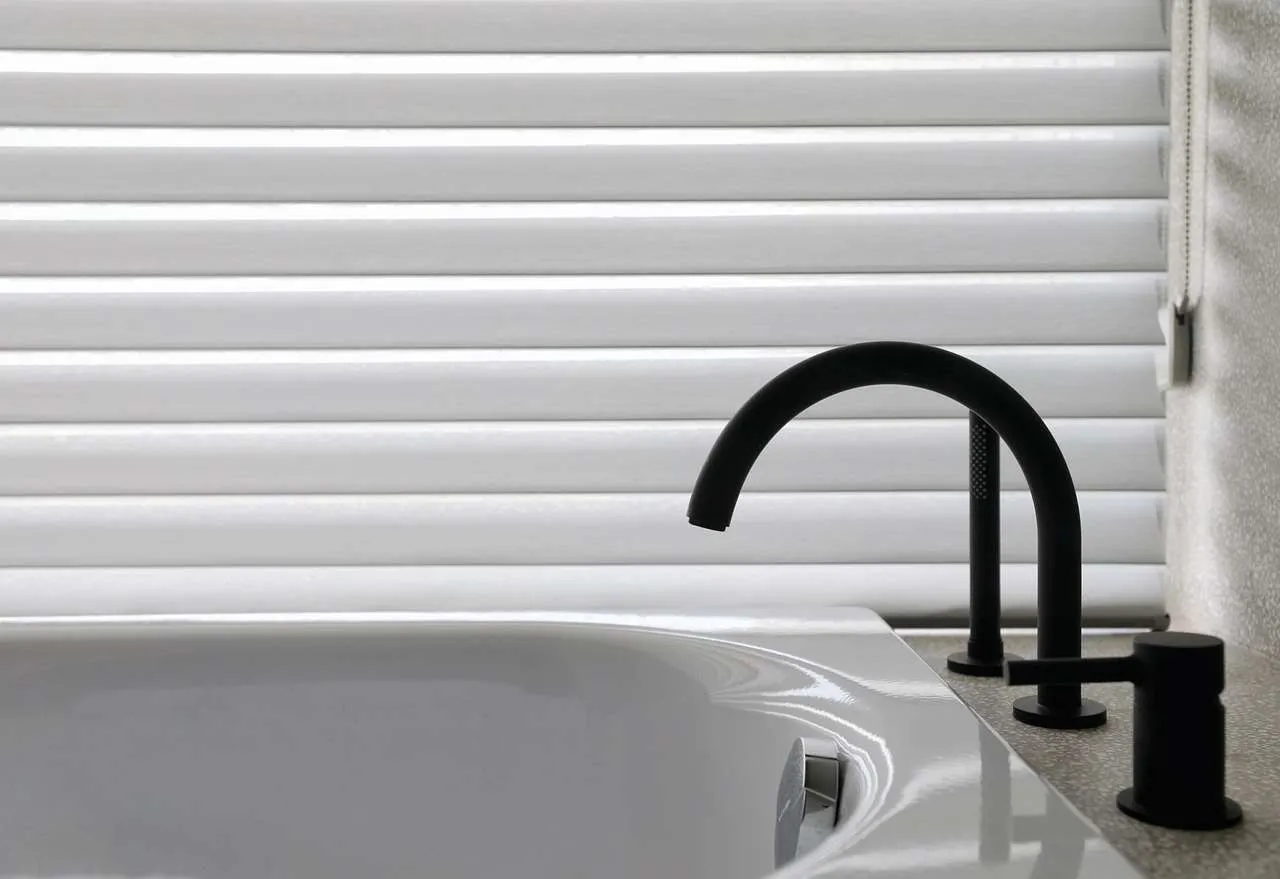
Window Tint for Home: Smart Energy and Privacy
Indoor comfort, energy savings, and privacy are increasingly achievable with window tint for home. Modern residential films block heat and harmful UV while preserving daylight and view. This guide explains the options, costs, and installation steps you need to make an EEAT-informed choice.
Benefits of window tint for home
Heat control is the main driver for many homeowners. A high-quality film can cut solar heat gain by 40-80% depending on the product and window orientation, reducing cooling loads and monthly bills. UV rejection commonly reaches 99% or higher, protecting furnishings from fading and helping skin health by reducing exposure to ultraviolet rays. Privacy is improved without sacrificing daylight, and glare control makes screens easier to view during the day. Some films also add an extra layer of safety by helping hold glass together in case of breakage.
Types of residential window tint films
Dyed films
Dyed films are budget-friendly and can provide a visually pleasing, uniform appearance. They offer decent privacy and glare reduction but may fade and have moderate UV protection compared with advanced films, making them less durable over time.
Metalized and reflective films
Metalized films reflect a portion of solar energy to deliver strong heat rejection and glare control. They can be very effective but may interfere with some electronics and mobile signals and often look darker from the outside.
Ceramic films
Ceramic films use advanced nano-ceramic particles to deliver high heat rejection, excellent clarity, and minimal signal interference. They are typically more expensive but provide the best overall performance for homes in hot or sunny climates.
Hybrid and tinted coatings
Hybrid films mix dye and metal or ceramic components to balance cost, performance, and durability. Some include UV absorbers to boost protection while maintaining a bright, natural look.
Key considerations when choosing window tint for home
Legal limits vary by state and by homeowner associations. Before installation, verify the allowed visible light transmission (VLT), reflectivity, and any restrictions on exterior appearance. Consider window orientation: east and west exposures benefit most from heat rejection, while north-facing windows benefit from glare control to improve comfort and screen readability. For interiors, balance daylight with privacy needs to avoid overly dark rooms.
Impact on energy efficiency and comfort
Properly tuned installation and film selection can meaningfully reduce cooling demand, especially during peak sun hours. Energy savings depend on window size, climate, and the film's heat-rejection rating. In addition, UV filtration preserves furnishings and flooring, extending the life of interior decor.
Installation options and costs
DIY tinting is feasible for small homes and straightforward windows, but professional installation is recommended for large homes, multi-pane units, or windows with complex shapes. A certified installer ensures edge sealing, bubble-free application, and a warranty. Material costs typically range from about 2 to 6 per square foot for films, while professional labor adds to that depending on window size and film type. Ceramic films tend to be the most expensive, often in the higher end of the range, while dyed films are most affordable. Expect total installed costs in the ballpark of a few hundred to several thousand dollars for larger homes.
Maintenance and warranties
Most residential window films are easy to clean with mild soap and water and a soft cloth. Avoid abrasive cleaners and scrubbers that can scratch the surface. Warranties vary by manufacturer and installer and may cover fading, bubbling, or adhesive failure for a specified period. Look for transferable warranties and confirm whether warranty terms require professional maintenance or installation.
Comparison of common residential tint options
| Film Type | UV Rejection | Heat Reduction | Glare Reduction | Longevity | Estimated Cost |
|---|---|---|---|---|---|
| Dyed | Moderate | Low–Moderate | Good | Medium | Low |
| Metalized | High | High | Moderate | Medium | Medium |
| Ceramic | Very High | Very High | Excellent | High | High |
| Hybrid | High | Medium-High | Good | Medium | Medium |
Choosing a trusted installer
Select installers with recognized industry certifications and state licensing if required. Ask for references, before-and-after energy performance estimates, and a written warranty. Confirm that the installer uses proper edge sealing and that the film is applied in a clean, dust-free environment to prevent imperfections. Checking reviews and asking for a sample or showroom demonstration can help verify expertise and trustworthiness.
Frequently asked questions
Q: Will window tint reduce natural light too much? A: Modern films balance light transmission with heat reduction, preserving visibility while cutting glare. Q: Can tint be installed on all window types? A: Most standard residential windows can be tinted, but very large or specially constructed panes may need professional assessment.
Conclusion, Window tint for home offers measurable comfort, energy savings, and privacy benefits. By selecting the right film type, considering legal limits and climate, and choosing a qualified installer, homeowners can maximize performance and protect interior furnishings for years to come.
Related Articles
Home Window Tinting: A Practical Guide
Read More >
Home Window Repair: Quick Fixes & Maintenance
Read More >
Home Window Repair Near Me: Local Guide
Read More >